Phileas flow

Social Innovation Platform for the Sustainable Development Goals (SDGs)

Client
Phileas Flow
Project
Timeline
April 2020 - September 2020
My role

UX Designer: Decision diagrams, Information Architecture (IA), Wireframes, co-creation sessions, meetings with stakeholders and the development team
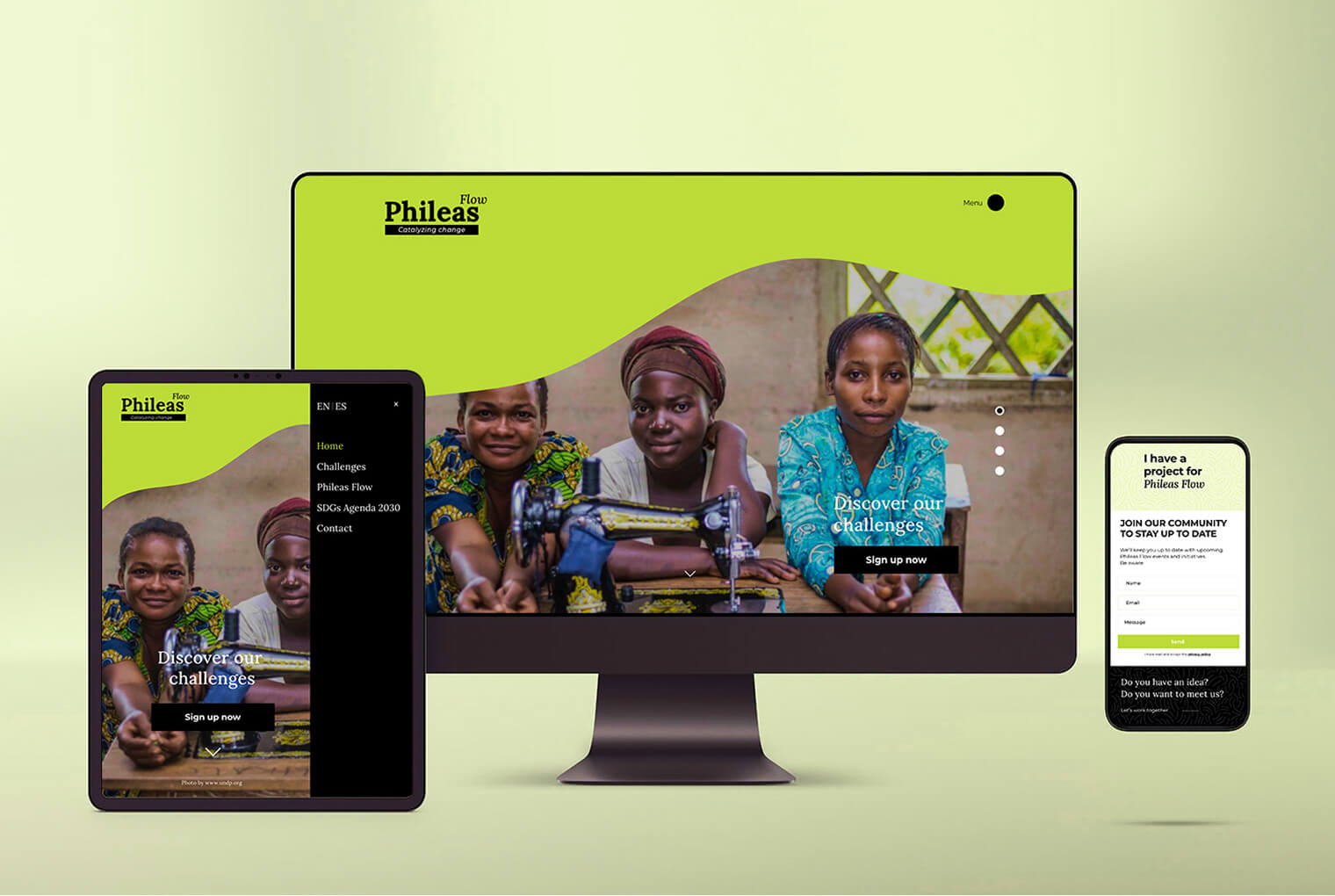
UI Designer: Interface UI design

01. Context

Following the post-COVID crisis, a need emerged for new social innovation models that could connect companies, governments, universities, and change agents around the Sustainable Development Goals (SDGs).

The challenge:
Organizations: needed a digital tool that would facilitate the connection between social challenges and innovative solutions.
Users (changemakers and knowmads): were looking for an accessible, collaborative, and transparent space to participate in high-impact projects.
02. Problem detected

We identified several key barriers in the social innovation landscape:

  • Lack of collaborative digital spaces connecting real-world challenges with solution providers.
  • Social innovation processes were difficult to measure, leading to low impact traceability.
  • Difficulty for organizations to scale sustainable initiatives and connect with global talent.
  • Fragmented user experiences without a unified digital narrative.

03. Goals and KPIs

Organizational / Social Business Impact

To create a platform that facilitates the connection between SDG challenges and solution providers in one single place.
To generate clear social impact metrics to evaluate every initiative.
To reach a minimum network of +100 collaborating organizations within the first year.

User Impact

To allow changemakers to find and participate in projects simply and transparently.
To create an accessible and motivating co-creation experience.
To increase active user retention by +25% through meaningful interactions.

04. Value proposition

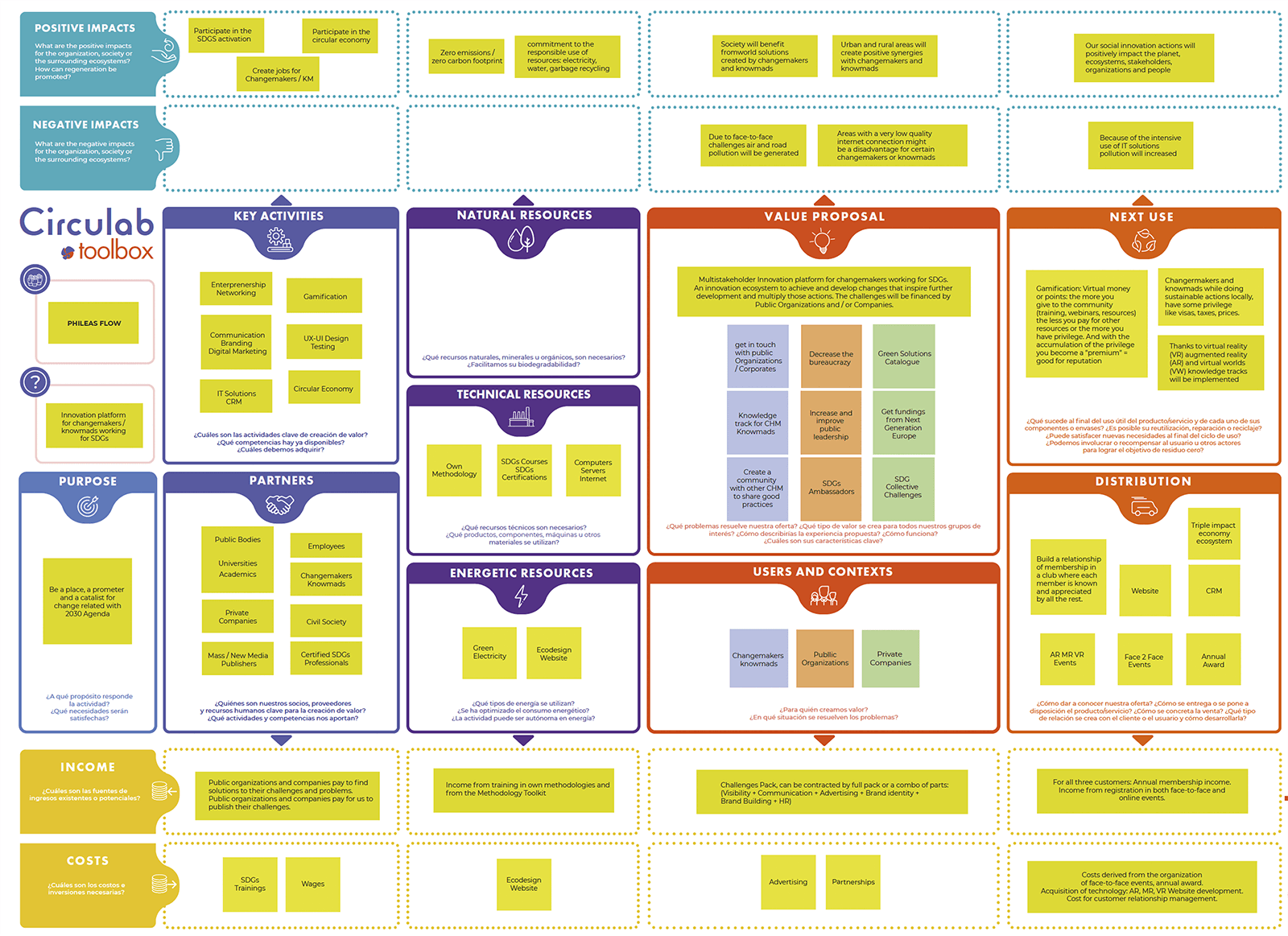
Phileas Flow was designed as a digital open innovation ecosystem that:

  • Connects social challenges with solution providers (companies, NGOs, universities, individuals).
  • Facilitates guided co-creation processes using agile methodologies.
  • Offers a social impact dashboard, with metrics aligned to the SDGs.
  • Designs inclusive and accessible experiences that encourage collaboration.

A platform that translates global goals into local and measurable actions, generating tangible impact.

05. Design process

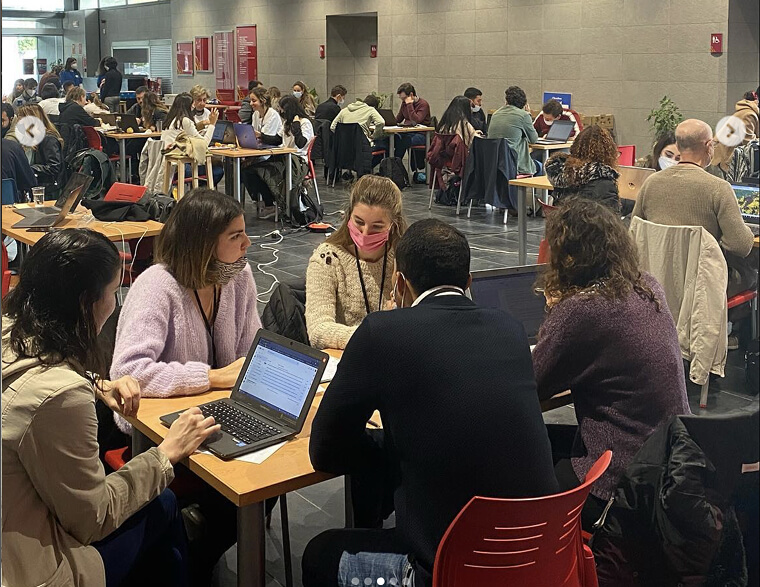
  • Discovery: Workshops with NGOs and universities, interviews with changemakers, and benchmark analysis of open innovation platforms.
  • Definition: Definition of user personas, stakeholder map, and business-social impact value matrix.
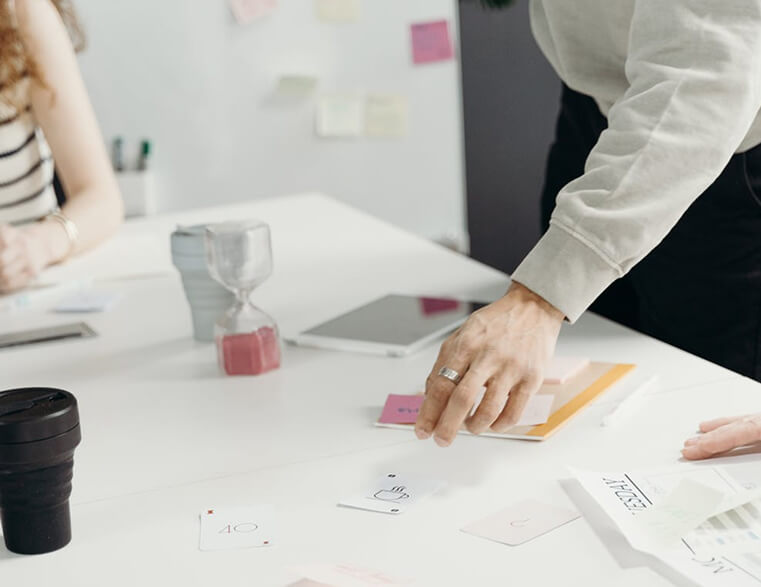
  • Development: Wireframes, prototyping, and co-creation sessions with real users and organizations.
  • Delivery: Validation with pilots on 3 SDG challenges, initial impact measurement, and evolution towards a scalable MVP.

¿For whom?

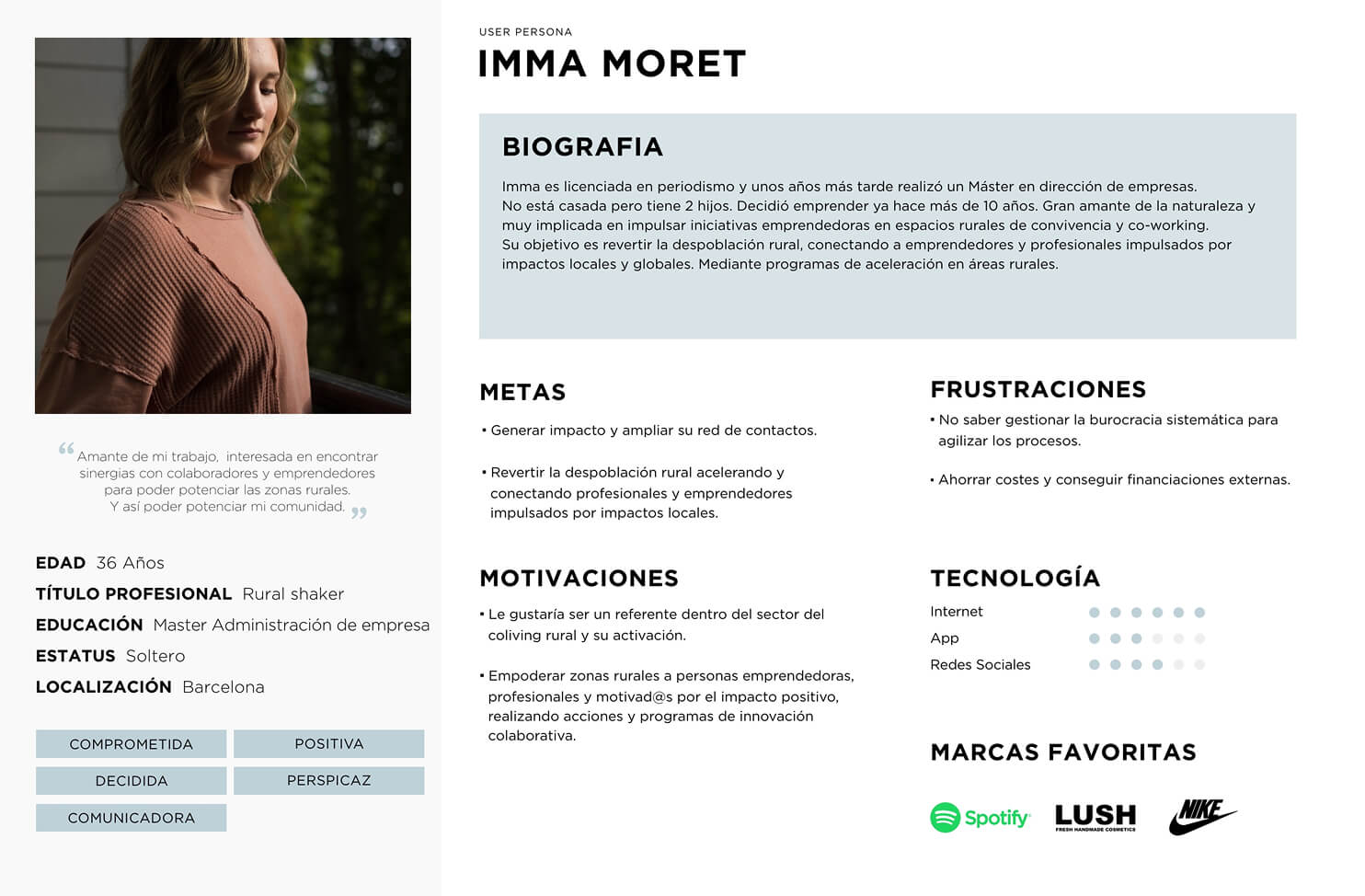
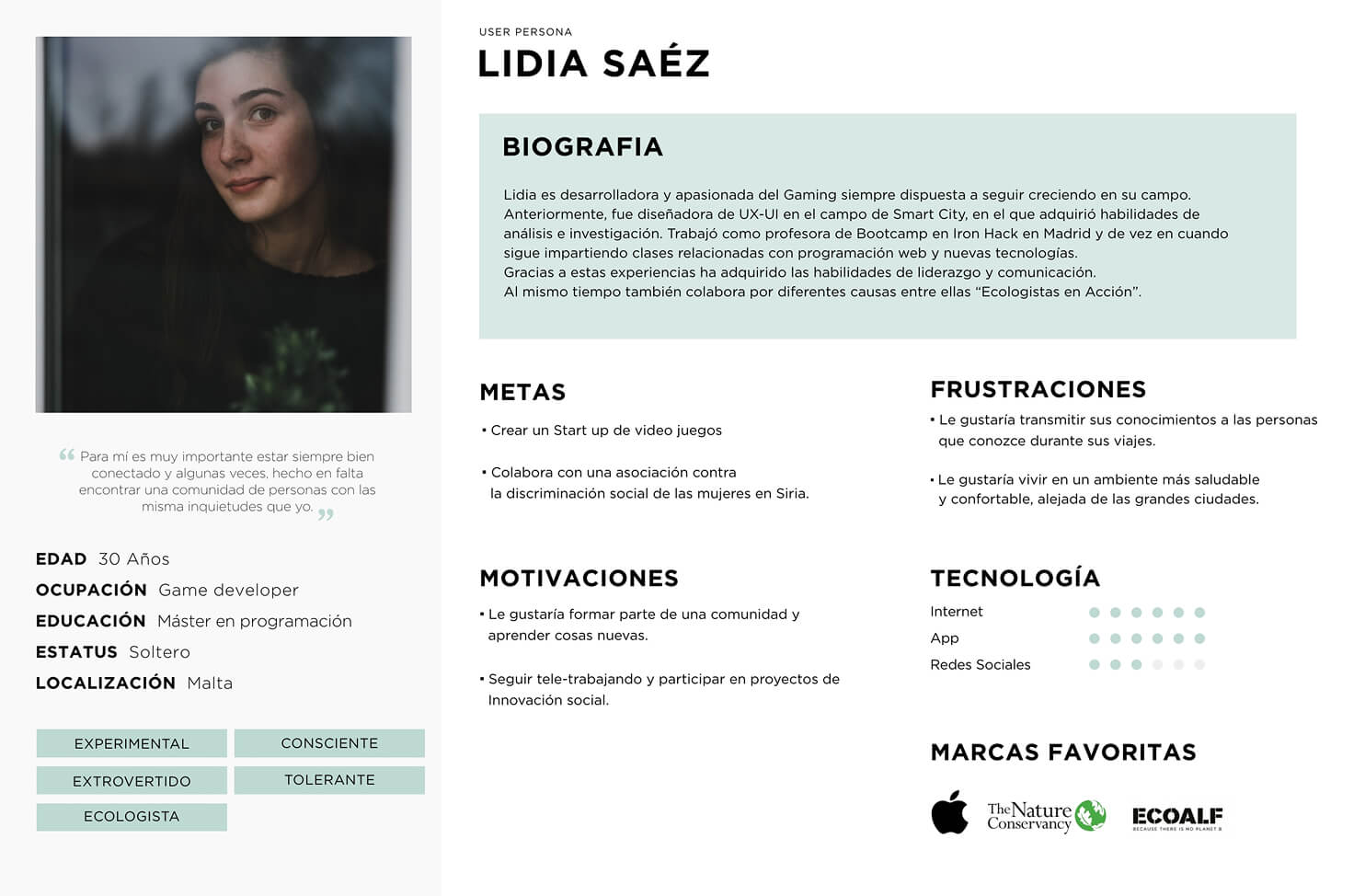
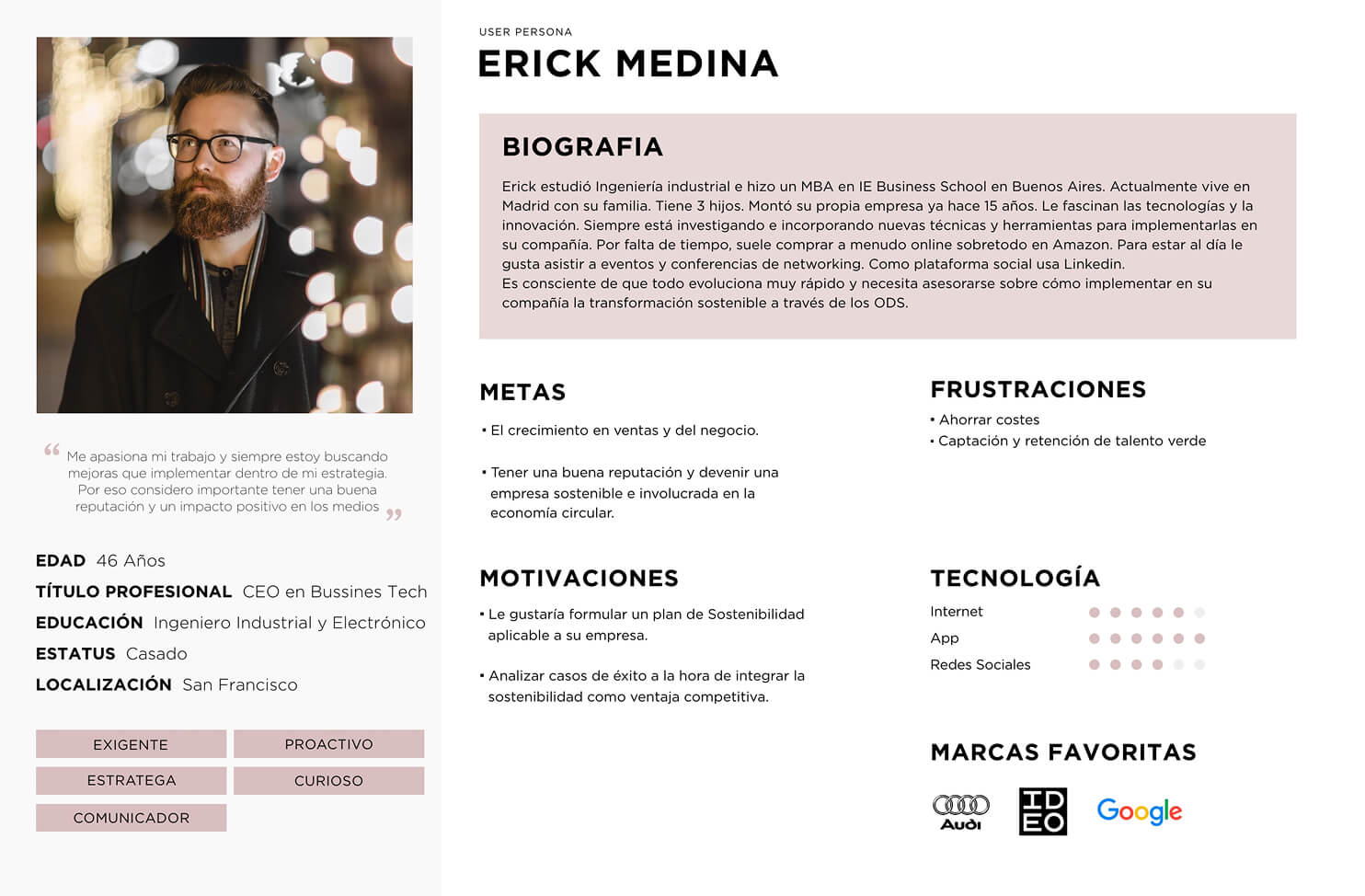
We used the User Persona methodology to create our user-centered design. After analyzing all the collected data, we created 3 personas to better visualize their behavior and determine which problems we could solve.

Discovery Phase

We used the User Persona methodology to create our user-centered design. By analyzing all the collected data, we created 3 personas to better visualize their behavior and determine which problems we could solve.

06. Results / Impact

Business Impact / Social Business Impact

+12 organizations joined in the first year.
+20 SDG challenges published and connected with solution providers.
Creation of a measurable impact metrics framework aligned with the United Nations.

User Impact

+35% active participation thanks to a clear and collaborative onboarding process.
Users reported a 90% satisfaction rate in digital co-creation.
Pilot projects with replicable results were generated in local communities. This includes the case of the Climaton de Sevilla’21.

Executive Summary

Phileas Flow demonstrated how a strategic digital product can articulate social innovation in a scalable way. The platform not only connected organizations and users with the SDGs, but also generated a model that is replicable, measurable, and sustainable over time.